

As urban temperatures rise, workers in cities face increasing heat stress, even in small businesses where air conditioning may be limited and ventilation inadequate. Chelsea, Massachusetts, is one of Boston’s most heat-vulnerable neighborhoods. Its dense housing, industrial areas, and minimal tree cover contribute to high summer temperatures that can put employees at risk.
Recognizing this challenge, researchers at Boston University (BU) launched a pilot study to better understand heat exposure among small business employees in Chelsea. The study focused on real-world conditions and aimed to provide actionable insights to improve worker safety during increasingly hot summers.
Measuring Heat Where Workers Are
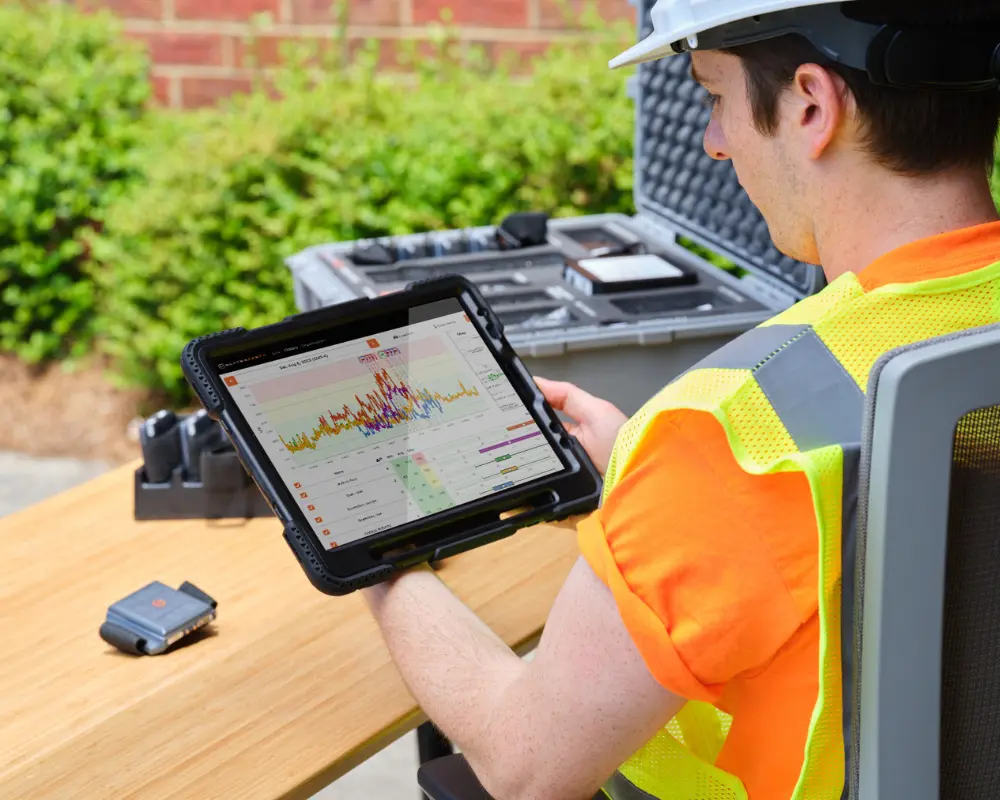
To capture accurate, real-time data, BU researchers equipped employees at participating businesses with SlateSafety BAND V2 monitors. These wearable sensors tracked core body temperature and heart rate, allowing researchers to see when and where workers experienced the highest physiological strain.
By combining the physiological data with observations of workspaces, workflows, and ventilation conditions, the team was able to identify patterns of heat exposure across different tasks and areas within each business. This approach ensured that the study reflected the actual environments where employees work, rather than relying on general outdoor temperature measurements.
Urban Heat and Small Business Challenges
Chelsea’s restaurants, laundromats, retail stores, and other small businesses often operate in older buildings that may lack modern cooling systems. Dense pavement, industrial heat sources, and limited green space can cause indoor temperatures to climb rapidly. Even brief periods of elevated heat can increase worker stress, highlighting the need for precise monitoring to protect employees.
The pilot study emphasized that urban heat stress is not limited to agriculture or outdoor labor. Small indoor workplaces can also present significant risks, particularly during peak summer months, and understanding the specifics of each work environment is key to developing effective interventions.
 Insights From Real-Time Monitoring
Data from the SlateSafety BAND V2 monitors revealed critical insights for workplace heat safety:
- Heat exposure varies by workspace and task. Certain areas within a business, such as kitchens, back rooms, or areas near heat-generating equipment, experienced higher ambient temperatures. Monitoring these zones helped researchers understand where employees might face the greatest strain.
- Physiological strain doesn’t always align with ambient temperature. The wearable devices captured moments when workers’ heart rate and core temperature rose, even if overall room temperatures were moderate. This highlighted the importance of tracking workers themselves, rather than relying solely on environmental measurements.
- Targeted interventions can reduce risk. By knowing when and where heat stress peaked, businesses could implement practical strategies: adjusting schedules, increasing breaks during high-risk periods, ensuring hydration, and improving airflow in critical areas.
Real-World Impact for Small Businesses
The BU pilot demonstrated that even modest adjustments informed by real data can meaningfully reduce heat stress risk. Participating businesses gained a clearer understanding of their highest-risk tasks and areas, allowing them to:
- Adjust break schedules based on observed physiological strain.
- Improve ventilation in spaces where heat accumulated.
- Rethink workflows during the hottest parts of the day.
- Provide targeted guidance on hydration and cooling strategies.
These interventions were tailored to each workplace, emphasizing that heat safety requires data-driven strategies rather than one-size-fits-all rules.
Advancing Heat Safety Research
The Chelsea pilot is part of a broader effort by BU’s School of Public Health and the C-HEAT (Chelsea & East Boston Heat) study to better understand urban heat exposure. Using non-invasive, wearable sensors like the SlateSafety BAND V2, researchers are collecting real-time physiological data that can inform protective measures for vulnerable workers.
As Megan Jones, a writer/editor at BU’s School of Public Health, noted in an article on Boston University’s School of Public Health website:
“Using non-invasive, wearable sensors—the Band V2 from SlateSafety—this summer’s pilot aims to monitor heat stress among vulnerable workers and identify effective cooling strategies.”
The pilot also provides a model for expanding research to other urban neighborhoods, helping inform safer work practices in a range of small businesses and highlighting how technology can bridge data gaps in workplace safety.
Looking Ahead
With summers continuing to get hotter, the insights from Chelsea’s small businesses offer important guidance for other cities facing urban heat challenges. SlateSafety’s wearable technology enables researchers and employers to understand worker heat stress in real time, supporting proactive interventions that can prevent illness and improve workplace safety.
The pilot study shows that targeted monitoring and data-driven adjustments are not just theoretical—they can make a tangible difference for employees navigating extreme urban heat conditions.