
SlateSafety Launches BEACON V3 Environmental Monitor
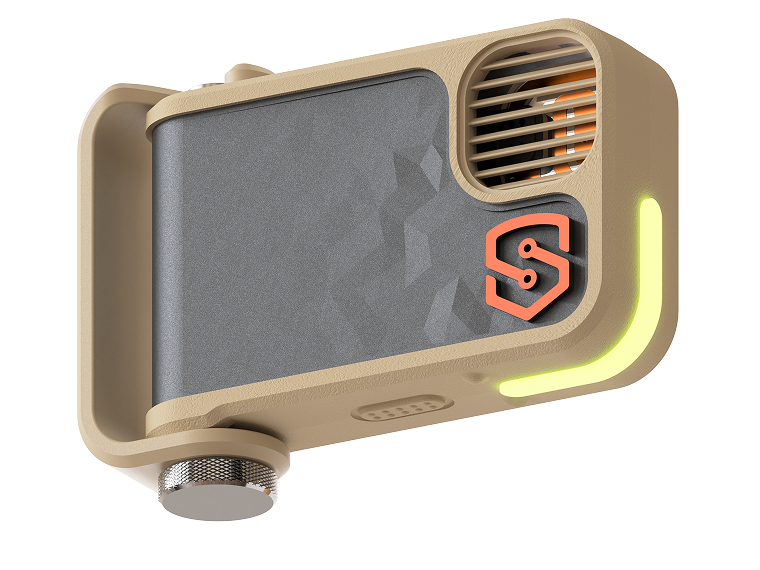
ATLANTA, Sept. 14, 2026 SlateSafety announces today the launch of the BEACON V3, a multi-sensor, connected device designed to deliver real-time, hyperlocal worker exposure monitoring at scale. Built for the most demanding work environments, the BEACON V3 operates entirely independent of personal phones or complex IT infrastructure, providing frictionless, economical environmental monitoring for modern workforces. Deploy the […]
SRMC Expands Usage with Wearable Tech

Read our original blog post about SRMC’s initial implementation of SlateSafety here. Download Case Study As summer temperatures soar, Savannah River Mission Completion (SRMC) has expanded the use of wearable technology for its workers to protect them from heat illnesses and incidents. SRMC is a contractor for the U.S. Department of Energy (DOE) Office of […]
How Scalable Tech Enables Proactive Safety Programs

Originally published in Occupational Health & Safety Magazine‘s Technology Safety Handbook Automating compliance and prevention with real-time, connected safety tech Occupational health and safety is built on a foundation of rigorous standards, tireless oversight, and a deep commitment to keeping workers safe. Part of that foundation includes methods such as manual audits, site observations, and […]
How Technology Is Transforming Heat Stress Prevention in the Workplace

Originally published in Occupational Health & Safety Magazine. Traditional heat safety programs often rely on generalized thresholds and reactive symptom reporting. New tools like PPG wearables, WBGT monitoring systems, and cooling innovations are helping safety teams take a more proactive approach. Summer Hazards Heat stress and overexertion are critical issues in the workplace, especially when […]
Heat Illness Prevention: 2026 Regulatory Updates

When it comes to heat illness prevention, the regulatory landscape continues to evolve, as seen with the Occupational Health and Safety Administration’s (OSHA) National Emphasis Program (NEP) and the Proposed Heat Injury and Illness Prevention in Outdoor and Indoor Work Settings Rulemaking. Some states have created their own standards. With regulations being implemented and looked […]
From the Desk of the CEO: SlateSafety in 2026
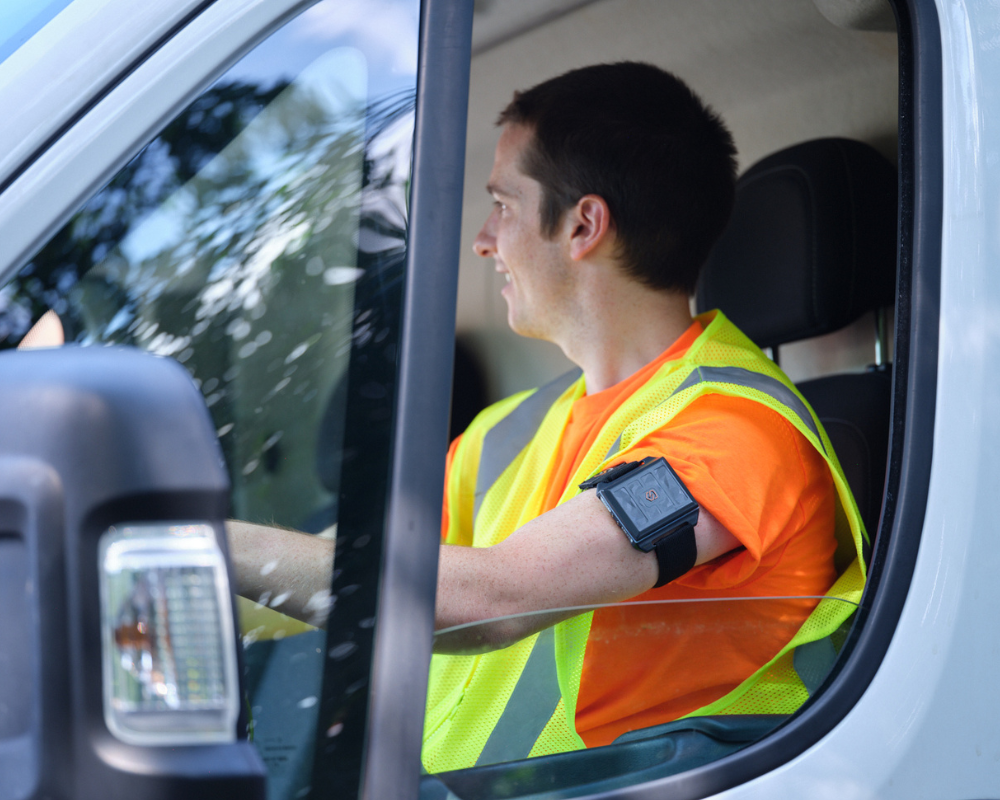
Dear SlateSafety Customers, Partners, and Supporters, Happy New Year! As we kick off the new year, I am excited to reflect on 2025 and look into what 2026 has in store for SlateSafety, but before we get into SlateSafety’s accomplishments, I want to take a step back and reflect on “Why does SlateSafety exist?” As […]
Beyond Heat: Other Hidden Physiological Hazards on the Job (and How Wearables Can Help)

When we talk about physiological hazards on the jobsite, we often focus on heat stress—high temperatures, humidity, sweat, dehydration. But the reality is that frontline workers face other hidden physiological risks: high-altitude hypoxia, poor air quality (such as wildfire smoke infiltration), cold stress, and vibration exposure. These hazards may not always grab headlines, but they […]
Top 10 Safety Conferences to Attend in 2026

The field of environmental health and safety (EHS), workplace safety, and industrial risk management continues to evolve rapidly. Attending safety conferences is one of the best ways to stay informed on industry trends, explore emerging technologies, and connect with other safety professionals. In 2026, North America will host a variety of conferences covering everything from […]
PPE and Heat Stress: Strategies for Safer Work in the Heat

Personal protective equipment (PPE) is essential for protecting workers from chemical, physical, and biological hazards. Yet in hot environments, both indoors and outdoors, PPE can increase the risk of heat-related illnesses. Understanding how PPE contributes to this risk and knowing mitigation strategies and prevention is critical for occupational health and safety. How PPE Increases Heat […]
The Hidden Dangers of Working Alone: Identifying and Mitigating Risks

Every day, millions of workers perform their jobs alone. Whether it’s a utility technician repairing power lines, a delivery driver pushing through extreme heat or a construction worker on a remote site, these workers face unique hazards. If an emergency occurs, there’s no one nearby to help. So, how do you protect workers when no […]